What To Share
Start with the property location, who is involved, what went wrong, the repair issue, any insurance position, and the amount at stake.
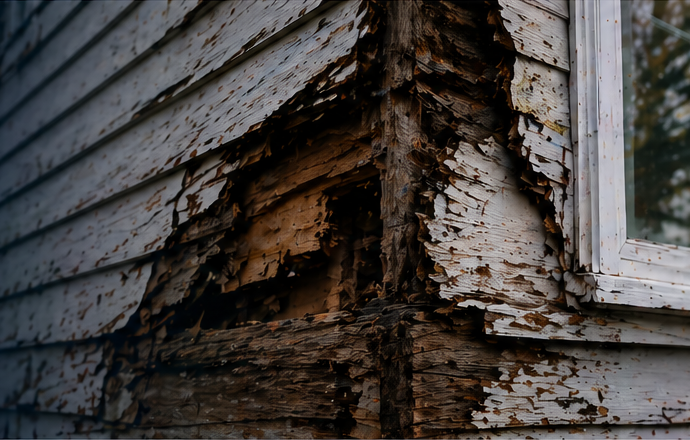
Tell us what happened, what needs to be fixed, what the other side is saying, and what it may cost. We review whether there is a path to make the right party pay.
No fee unless money is recovered for you.
Available on accepted matters, subject to a written fee agreement.
Tell us what happened, what needs to be fixed, what the other side is saying, and what it may cost.
Start with the property location, who is involved, what went wrong, the repair issue, any insurance position, and the amount at stake.
Please do not send privileged or highly sensitive documents unless the firm asks for them after initial review.
Helpful materials may include photos, estimates, insurance letters, claim documents, inspection reports, repair proposals, contracts, policies, disclosures, emails, texts, timelines, and expert reports.
Damage & Repair Review
The damage needs to be fixed. The question is who should pay. Tell us what happened, what needs to be fixed, what the other side is saying, and what it may cost.
Share what went wrong, what needs to be fixed, what the other side is saying, and what the repair may cost.
The firm reviews the damage, repair problem, responsible parties, insurance or payment position, deadlines, documents, and economics.
The goal is to understand whether deeper legal work makes sense, what should be preserved, and what path may make the right party pay.
Do not let the wrong repair number become the baseline.
Start a Damage & Repair ReviewSubmitting information does not create an attorney-client relationship. Accepted matters are handled under a written fee agreement.
No fee unless money is recovered on accepted matters, subject to a written fee agreement.
The exact fee and cost arrangement is explained in a written agreement before representation begins.
Use whichever path feels easiest. The goal is to get the basic facts in front of the firm.
After you submit, the firm reviews what happened, what needs to be fixed, who may be responsible, what the other side is saying, and whether the facts and economics support deeper legal work.
Send the short version of what went wrong, what needs to be fixed, what the other side is saying, and what it may cost.
The Firm looks at the damage, repair problem, possible responsible parties, insurance or payment position, practical stakes, and urgent deadlines.
If the matter appears to justify closer review, the Firm may ask for estimates, claim letters, reports, photos, timelines, contracts, policies, or communications.
The review considers whether the proof, repair cost, amount in dispute, timing, and leverage support deeper legal work.
The next step may be representation, a narrower diagnostic review, a referral path, or a candid explanation that the matter is not a fit.
Accepted matters are organized around causation, scope, pricing, coverage, responsibility, deadlines, and the money needed to fix the property.
The firm pursues the path that fits the evidence and economics, from focused demand work through litigation when the facts and stakes justify it.
For accepted matters, the firm generally works on a contingency basis. No fee unless money is recovered for you. The exact fee and cost arrangement is explained in a written fee agreement before representation begins.