
Single-family home
$540,000 recovered
Defective home inspection involving foundation issues
The matter resolved for $540,000 after the home inspector's insurance company initially offered $5,000.
Read the case result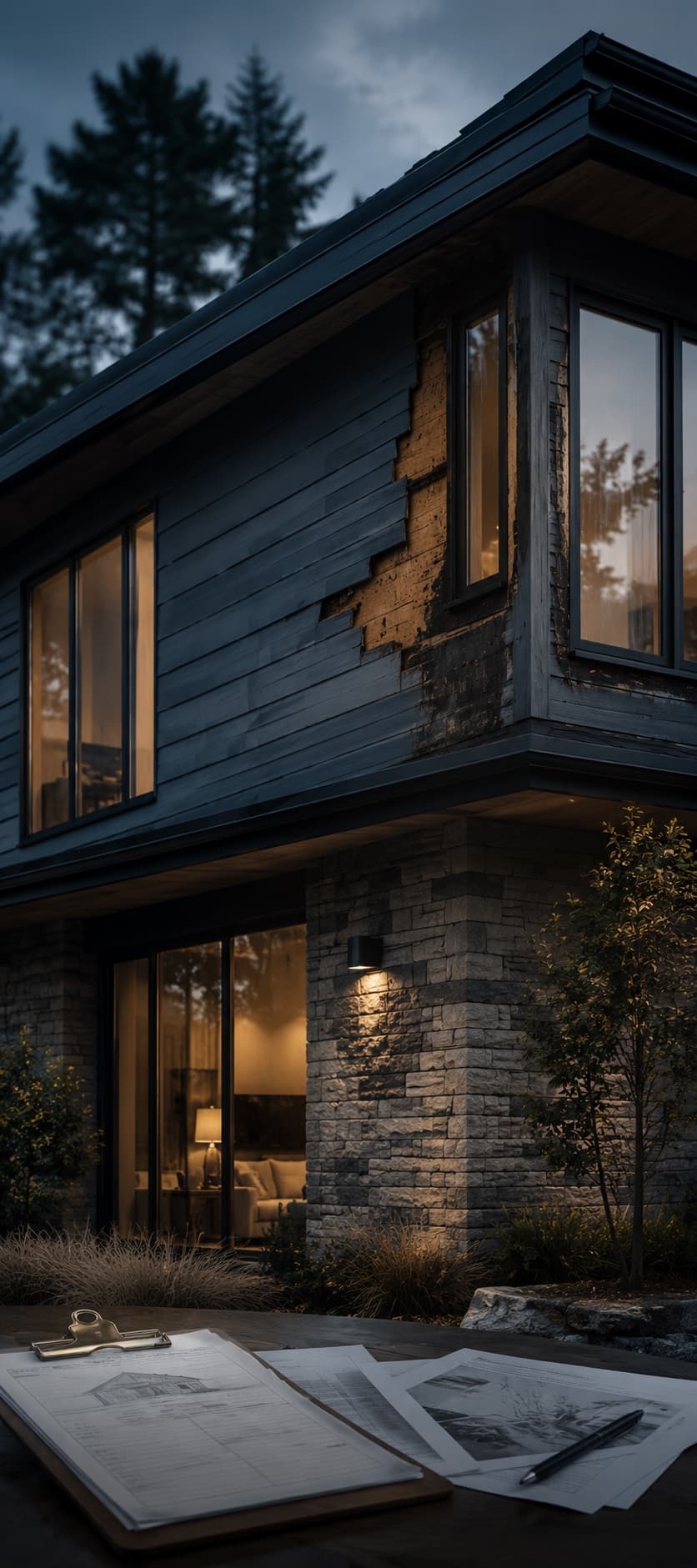
For building owners
Discovering expensive damage after purchase raises questions about the property, the disclosures, and the inspection. Start by preserving what was represented and what you found.
No fee unless money is recovered on accepted matters, subject to a written fee agreement.
Representative results
Single-family home
Defective home inspection involving foundation issues
The matter resolved for $540,000 after the home inspector's insurance company initially offered $5,000.
Read the case resultRepresentative results are examples only. Every matter depends on its own facts, evidence, timing, contracts, policies, parties, defenses, damages, and applicable law. Past results do not guarantee future outcomes.
Before and after the purchase
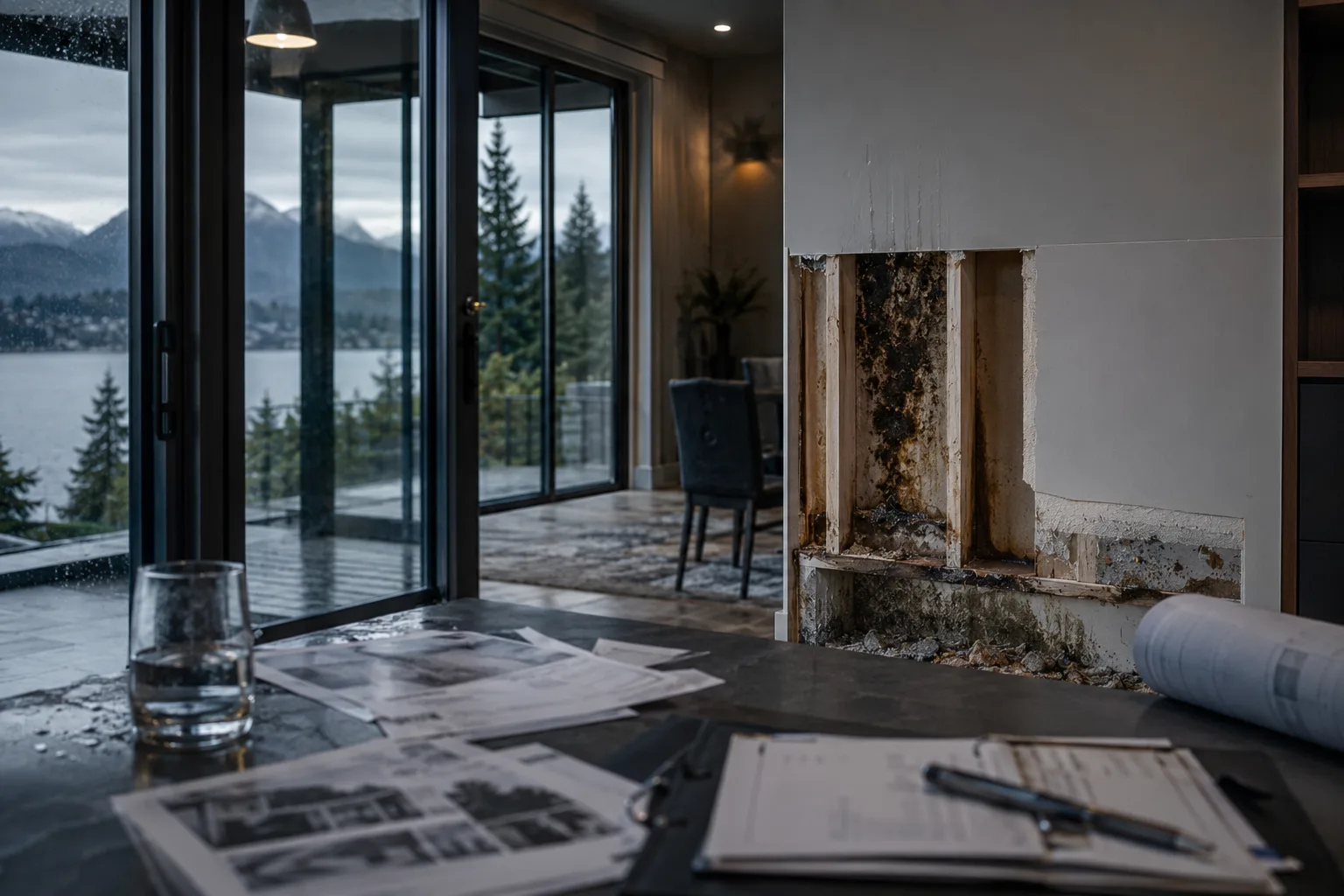
Later findings need to be considered alongside what was visible and represented before closing.
Illustrative imageryBefore closing
Preserve disclosures, the inspection agreement and report, listing materials, photographs, and messages. They help establish the record that existed when the purchase decision was made.
After discovery
Record when the condition appeared and what qualified investigation found. Compare those findings with the earlier record before drawing conclusions about any particular party.
The disagreement
Compare disclosures, listing materials, messages, and prior repair records with the later findings. The review examines what was known and represented before the sale.
Read the inspection report alongside contemporaneous photographs, the agreement, limitations, and any recommendation for further investigation.
The seller, inspector, contractor, or insurer may warrant different lines of inquiry. A post-purchase discovery does not by itself establish a claim against any particular party.
Prepare for review
Start your inquiry with a short summary. Prepare these records and provide documents when the firm requests them. Address urgent safety and mitigation needs while documenting conditions when safe.
Before-repairs preservation checklistThe firm considers the available evidence, deadlines, repair costs, and possible responsibility before recommending deeper legal work. You can inquire even if the amount or legal category is not yet clear.